



“Unveiling the Variety of Suspensions and How They Supercharge Your Vehicle’s Performance”
Car suspension is the unsung hero beneath, silently ensuring a smooth and exhilarating journey, absorbing the bumps and delivering the thrill of the road.
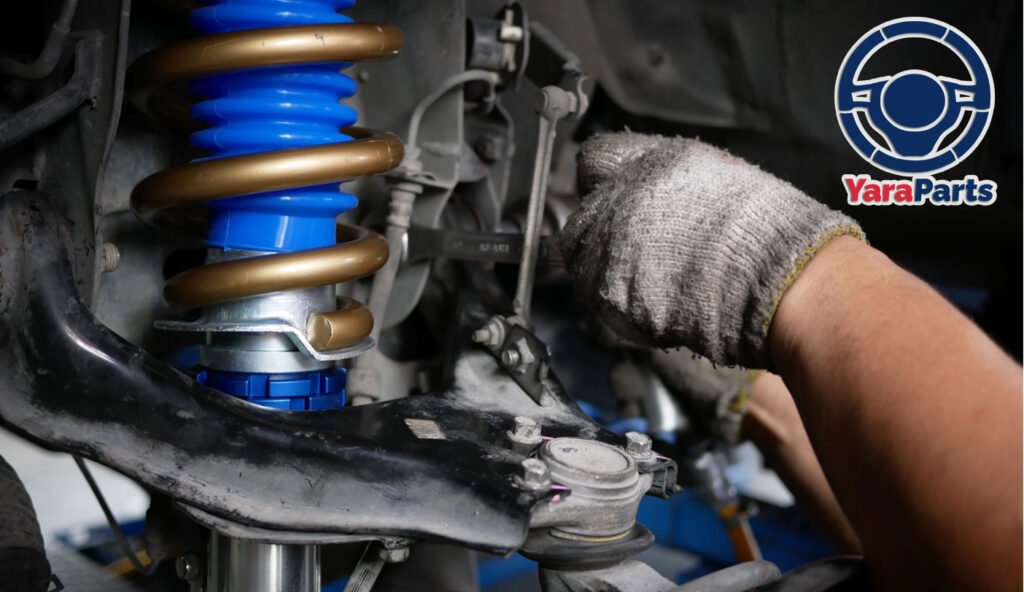
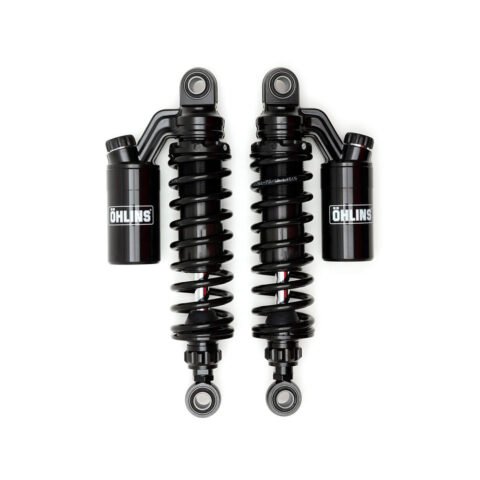
When it comes to your vehicle’s performance and ride quality, one of the most critical components to consider is the suspension system. The suspension of a vehicle plays a pivotal role in ensuring a smooth and controlled ride while also influencing handling, stability, and overall comfort. In this blog, we’ll delve into various types of suspensions commonly used in automobiles and discuss how each type can impact your vehicle’s performance.
- Independent Front Suspension (IFS)
Independent front suspension, often referred to as IFS, is a system where each wheel is attached to the vehicle’s frame separately. This design allows each wheel to move independently, providing better control and comfort. IFS is commonly found in most modern vehicles, particularly in passenger cars, and it offers a smoother and more comfortable ride.
Effects on Performance:
- Improved handling and stability: IFS systems offer better traction and control on rough or uneven surfaces, enhancing the overall performance of the vehicle.
- Enhanced steering response: IFS systems provide more precise steering and better road feel, resulting in improved driver control.
- Solid Axle Suspension
Solid axle suspension, or live axle suspension, connects both wheels on the same axle. This type of suspension is often found in trucks, SUVs, and off-road vehicles due to its robust construction and off-road capability.
Effects on Performance:
- Excellent off-road capability: Solid axle suspensions provide superior off-road performance, allowing the vehicle to navigate challenging terrains with ease.
- Reduced comfort on smooth roads: On paved roads, solid axles may result in a less comfortable ride due to a lack of independent wheel movement.
- MacPherson Strut Suspension
The MacPherson strut suspension is a popular choice for front-wheel-drive vehicles. It combines a shock absorber and a coil spring into one unit, simplifying the suspension design.
Effects on Performance:
- Space-efficient: MacPherson struts take up less space under the hood, making them suitable for compact vehicle designs.
- Slightly reduced handling compared to more complex suspensions: While they offer good ride quality, MacPherson struts may not provide the same level of sporty handling as other suspension types.
- Double Wishbone Suspension
Double wishbone suspension, also known as A-arm suspension, uses two control arms to connect the wheel to the vehicle’s frame. This type of suspension is often seen in high-performance sports cars and some luxury vehicles.
Effects on Performance:
- Precise handling: Double wishbone suspensions provide excellent cornering and handling capabilities, making them ideal for sports cars.
- Enhanced comfort: They can also offer a comfortable ride on smooth roads when tuned properly.
- Air Suspension
Air suspension systems use airbags instead of traditional coil or leaf springs to support the vehicle’s weight. This allows for adjustable ride height and comfort levels.
Effects on Performance:
- Versatility: Air suspension systems can be adjusted for various driving conditions, from a smooth highway ride to off-road adventures.
- Cost and complexity: Air suspensions can be more expensive to repair and maintain than traditional suspensions.
Conclusion
The choice of suspension type can greatly impact your vehicle’s performance, ride quality, and handling characteristics. Different suspensions are designed to excel in various driving conditions and applications. Whether you prioritize off-road capability, sports car-like handling, or a comfortable daily commute, understanding the characteristics of each suspension type will help you make an informed decision when purchasing a vehicle or modifying your existing suspension.
 AR
AR  EN
EN